
Congregation Tikkun v’Or (Ithaca Reform Temple) is a vibrant congregation that strives for a warm personal bond among its members, creative experiential education for the children, and a dynamic program for adults. We welcome those from diverse backgrounds, interfaith families, LGBTQ+ folks, people who are newly discovering Jewish connections, as well as those with a wide range of Jewish experiences.
Our core values are best expressed by three words:
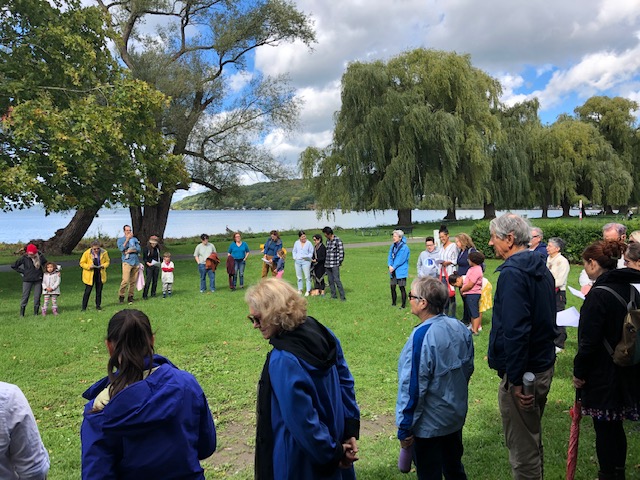
 View of Cayuga Lake from Congregation Tikkun v’Or
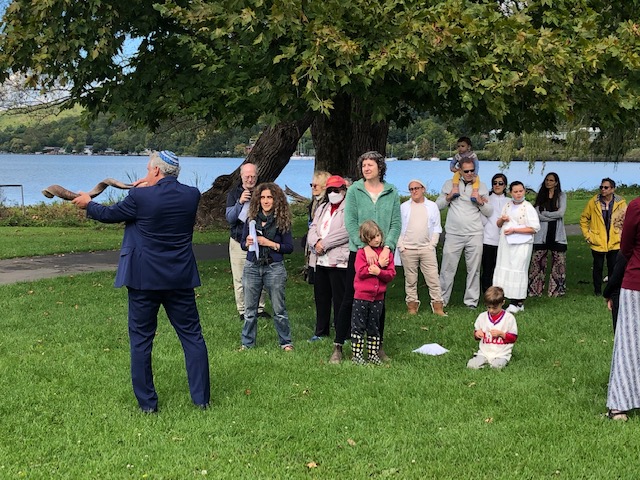
SHABBAT SERVICES
TVO MEMBERS
Have you joined the TVO listserve yet? Listserv membership is available to Tikkun v’Or members; their spouses/partners; and teenage children with parental permission. You will receive confirmation e-mail(s) when the moderator gives you listserv membership. To join send an e-mail to: listserv-moderator@tikkunvor.
TIKKUN V'OR SERVICES, MEETINGS, PROGRAMS, and CLASSES
Most of the Tikkun v’Or programs are currently hybrid (in-person and online), unless otherwise listed. Join us on Zoom for Tuesday morning contemplative services and conversations. Shabbat evening or morning services and other programs are usually both in person and online. Contact info@tikkunvor.org to be added to the email list to get links.
Rabbi Shifrah Tobacman leads services about twice a month, including the following upcoming dates:
Saturday May 4
Saturday, May 18
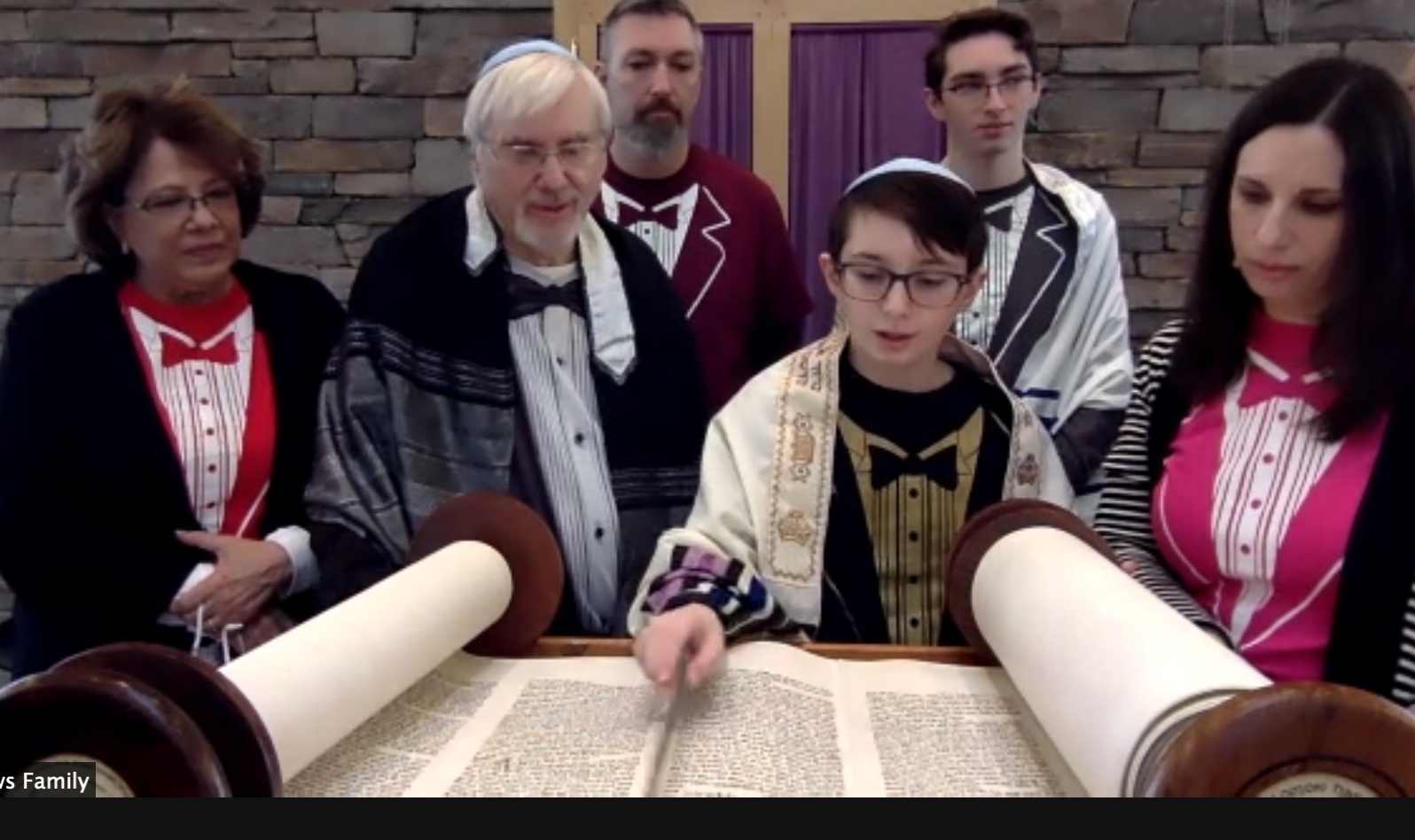
Saturday, June 1 bmitzvah: Eli W
Saturday, June 8 bmitzvah: Aviya S
Saturday, June 19 bmitzvah: Gefen PC
Services are led by lay leaders on most other weeks.
Jewish Learning Experiences
REGISTRATION for Jewish Learning Experiences for the 2024-2025 year is now available HERE.
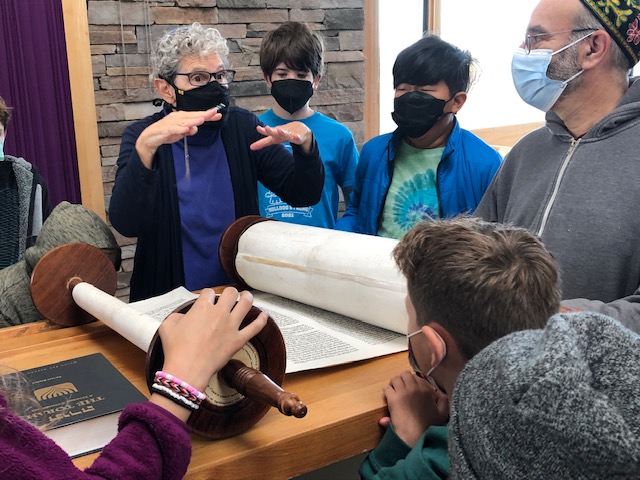
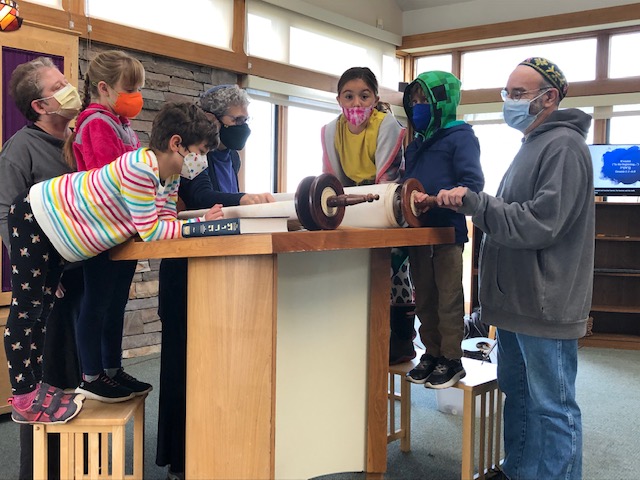
JLE students in Bet-Zayin (2nd-7th grade ) meet on Sunday mornings, with vav/zayin (6th and 7th grade) also meeting on Wednesday afternoons. Students in gan (kindergarten) and kitah alef (first grade), and their caregivers, meet monthly for Family JLE.
Quick links
Coming Soon at TVO
Here’s a quick look at some of the programs coming up. Some of these programs require registration or Zoom links. Check the calendar above, your TVO email, or contact info@tikkunvor.org for more information.
Tuesdays 8:30-9:30 am Contemplative Service on Zoom
Jewish Learning Experiences (JLE) meets on Sundays and Wednesdays,
LISTEN TO YOUR MOTHER Saturday, May 11
TvO’s Second Annual Production of LISTEN TO YOUR MOTHER!
Don’t miss this year’s hilarious and poignant evening of storytelling about the many aspects of motherhood. This year’s performers will include Yvonne Fisher, Kenneth McLaurin, Marina Gershon, Sue Perlgut, Ian Shapiro, Fran Markover, Barbara Lang, Alina Kim, Melanie Conroy-Goldman, Melanie Lefkowitz, Dr Nia Nunn, and Eric Maroney.
Proceeds will be shared between TvO and Ithaca Welcomes Refugees.
TVO Enrichment Programs Group
The mission of the Enrichment Programs Group (EPG) is to develop and effectively oversee the implementation of engaging educational, cultural, social and community-building programming at TvO. We coordinate with other committees, as appropriate, to ensure a range of programs that support the interests of current members and that target prospective members
Upcoming programs include:
*Everything You’ve Always Wanted to Know About Judaism … and Can Now Ask with a panel answering questions generated by members; on May 5.